
Should you replace siding or repaint it?
Repainting can be appropriate when the siding is sound and the proposed coating is compatible. Replacement may be more useful when deterioration, attachment, water-management defects, or the intended changes make retention unsuitable. Start with the condition of the wall and the cause of its symptoms, then compare complete scopes rather than the price of paint against the price of new boards alone.
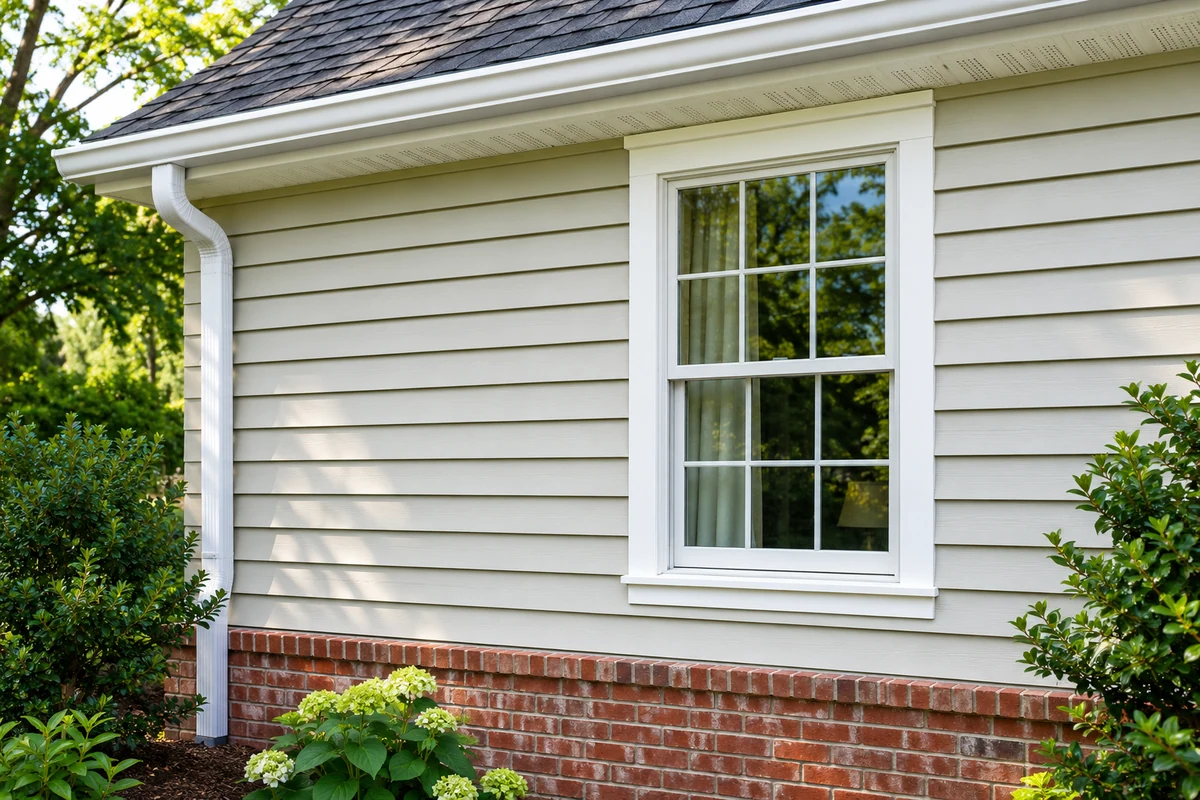
Identify the material and the problem
Record what you know about the existing cladding, previous finishes, repairs, staining, distortion, cracks, and moisture symptoms. Ask the assessor to identify the material and distinguish a coating defect from deterioration in the siding or supporting wall. A faded color and a soft or damaged substrate are different problems.
Photograph locations and changes safely from the ground or accessible areas. Note whether staining follows rain, gutter overflow, irrigation, or a particular opening. Do not label a mark as failed siding until it has been assessed. Its location may help investigate the water path without proving whether the problem belongs to the roof, window, flashing, cladding, or another component.
Establish what is suitable to retain
Ask which areas are sound, which need localized repair, and which remain concealed or uncertain. A paint proposal should explain why the substrate is suitable. A replacement proposal should identify the evidence supporting removal and whether retained parts of the assembly need correction.
Where assessment requires opening an area, agree the boundary, cost basis, protection, and decision point. Keep necessary repairs distinct from optional changes in style. Do not assume that an old wall must be replaced because it is old, or that a new coat makes an unassessed wall serviceable. The useful question is what condition supports each proposed option.
Compare preparation before comparing finishes
For repainting, request cleaning, removal or treatment of failing coating, substrate repairs, primer, finish system, application conditions, access, and protection. Confirm compatibility with the identified cladding and existing coating. Color changes or exposure may have product-specific implications that the supplier or installer should resolve.
Ask how older coatings and suspect materials will be assessed before disturbance. Lead-safe requirements may apply to covered renovation work in older housing, and other materials can require separate handling. A preparation allowance should not be interpreted as permission to sand or remove anything encountered. Identify the qualified provider and procedures relevant to the actual material and project.
Look behind a replacement proposal
A replacement quote should describe removal, disposal, investigation of concealed conditions, repairs, water-management layers, flashings, trim, openings, and cladding installation. Ask who owns the interface around windows, doors, roof junctions, penetrations, and adjoining materials. New cladding cannot substitute for an explanation of how those connections will work.
Have the contractor identify which components may remain and the basis for reuse. If concealed wall damage is excluded, ask how it will be assessed and priced after removal. Record unit rates or an approval process where appropriate. Comparing a fully investigated replacement with a paint-only quote is misleading if each leaves a different amount of necessary repair unresolved.
Resolve the source of moisture first
Painting and replacing siding can both conceal evidence if the water source remains active. Ask what observations support the diagnosis and which other trades need involvement. Gutters, roof-edge details, openings, plumbing, ground levels, and interior conditions may be relevant depending on the building.
The project team should explain the correction and how its completion will be checked. For stucco or historic masonry, use appropriate specialist guidance about compatible repairs and moisture behavior. A coating marketed as waterproof should not be presented as a universal cure for water entering an assembly. Keep the wall's proposed drying and drainage strategy part of the discussion rather than judging the work solely from its fresh appearance.
Compare disruption and access
Both options may require staging, protection, vegetation clearance, safe access equipment, and temporary arrangements around doors or services. Replacement may also involve removal of attached fixtures and exposure of the wall. Ask how the house remains protected if weather interrupts the work and which access routes stay available.
Identify owner tasks such as moving outdoor belongings or providing access, but avoid agreeing to preparatory work without understanding the risks and warranty implications. Ask who protects windows, paving, landscaping, and neighboring property. Set working hours and cleanup expectations. An inexpensive finish price can omit significant access and protection work that another bidder has included.
Use the same completion boundary for both prices
Create a comparison with the same elevations and details. List assessment, repairs, preparation or removal, materials, installation, trims, fixtures, access, protection, waste, and reinstatement. Mark each item included, excluded, allowance, or unresolved. Ask bidders to explain differences that materially affect the finished wall.
Do not force every difference into a numerical adjustment if it has not been priced. Keep an unassessed repair visible as an uncertainty. Compare warranties and maintenance responsibilities separately from construction totals. A replacement system and a repaint may have different service expectations, but universal lifespan claims are not a substitute for product information, site condition, and the actual agreement.
Discuss appearance and matching realistically
If only part of the siding is repaired, ask about material availability, dimensions, profiles, texture, and color matching. A trial area or sample can help establish expectations, particularly where existing material has weathered. Confirm which viewing conditions and boundaries will be used for acceptance.
For repainting, keep the approved product and color information. For replacement, retain the exact cladding and trim details. Ask whether a later repair can be made with available material and whether spare pieces should be kept. Avoid treating a small display sample as proof of how a large elevation will look under the home's lighting and exposure.
Plan maintenance for the selected option
Request care instructions that address cleaning, inspection, attachments, compatible products, and situations requiring professional attention. A new cladding system may still need maintenance at adjoining components. A coating system may need attention to the substrate and interfaces as well as its finish.
Record the original symptoms and keep dated photographs after work. Review relevant water paths during weather conditions that previously produced problems. If the symptom returns, report it with the location and event history rather than immediately covering it again. Good documentation helps distinguish a new condition from an unresolved part of the original scope.
Example: fading with a sound substrate versus recurring wet damage
A hypothetical painted wall has faded but the assessed cladding and interfaces are suitable to retain. A compatible preparation and coating proposal may address the stated cosmetic objective. A different wall has repeated dampness and deteriorated material beside an opening. Comparing paint costs for the two as if the preparation were identical would hide the second wall's unresolved repair.
For the damaged wall, ask what investigation identifies the source and which components need correction. Replacement may be part of that response, but it still needs a defined boundary and connection details. The point is to make the work follow the finding rather than select paint or replacement first and then describe every symptom as evidence for that choice.
Decide which elevations actually need the same treatment
Different sides of a building can have different exposure, condition, access, and appearance requirements. Ask the assessor to identify those differences. A whole-house package can be convenient, but it should explain why every elevation receives the same removal or preparation scope.
For a mixed approach, document transitions, matching limits, interfaces, and maintenance. Ask who checks the combined result and whether any product conditions affect adjacent retained finishes. Do not let a localized repair unintentionally create an unassigned connection or an appearance dispute that was foreseeable during the survey.
Decide from evidence, not a surface-only comparison
Choose repainting when the assessed substrate and compatible finish system support the intended result. Choose replacement when the documented condition and required corrections justify it. A mixed project may be appropriate where some areas can remain and others need removal, provided the interfaces and appearance are coordinated.
Before signing, make sure the proposal answers what is wrong, what stays, what changes, what remains uncertain, and who handles discoveries. That is more useful than deciding from the age of the house or a salesperson's preferred product. The completed wall should have a clear condition and maintenance story, not just a different color or a new outer layer.
Related articles
Sources and further reading
These public resources explain relevant safety, consumer, or building considerations. They do not endorse this site or approve a particular project.
- PEPA: vinyl-siding installation manual and product-instruction requirements
- EPA: lead-safe renovation in older homes
- DOE Building Science Education: rough-opening air sealing
Revised November 24, 2026. Published by ContractorsFinder. Editorial standards and corrections.