
Who handles damage discovered after demolition?
When demolition exposes damage, responsibility for assessment, authorization, payment, and repair depends on the contract, the cause, the work, and applicable local rules. Do not assume every discovery is an owner-funded extra or that the contractor automatically pays for it. Secure the area, document the finding, obtain an appropriate assessment, and approve a defined response before the affected work is concealed.
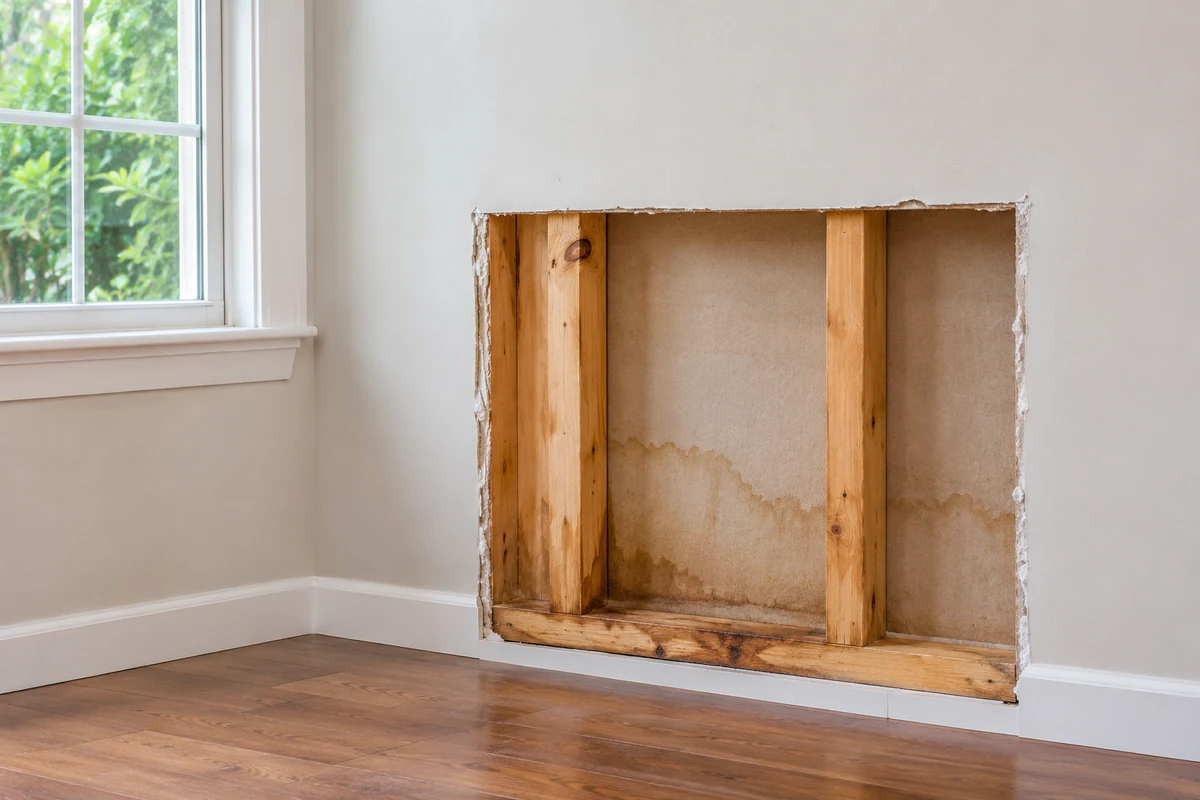
Separate a discovery from a diagnosis
A damp board, stained wall, corroded connection, or altered framing is an observation. Its cause, extent, significance, and necessary repair may require further assessment. Ask the contractor to describe what was exposed, where it is, and what work was occurring. Keep photographs showing both context and detail where they can be obtained safely.
Do not let a shorthand label such as rot, mold, structural problem, or code issue replace evidence and an appropriate professional's findings. Some conditions are straightforward within a trade's scope; others need a specialist, designer, or authority. Record what is confirmed, what is suspected, and what remains inaccessible before deciding on the full repair.
Establish a safe stopping point
Ask which activities must pause and what temporary protection or access restrictions are needed. Instability, electrical concerns, contaminated material, active leakage, and hazardous substances can require prompt specialist action. Occupants should not investigate by removing more material or entering an area whose safety is uncertain.
Identify the person responsible for securing and protecting the work while the issue is assessed. A pause should not leave an open building, unsupported element, or unsafe route unassigned. Keep necessary immediate stabilization separate from the permanent repair decision. If emergency work is required, request documentation of what was done and why, even if the full scope cannot be priced in advance.
Read the relevant contract provisions
Find the original scope, exclusions, allowances, assumptions, concealed-condition terms, change process, and notice requirements. Ask how the proposed charge relates to those provisions. Work expressly included in the original price should not be treated as an extra merely because it is inconvenient; equally, an excluded condition is not resolved simply by insisting the original total covers everything.
The legal effect of the agreement and any dispute depends on the jurisdiction and facts. Obtain local legal or consumer advice where needed, particularly before withholding payments, signing a settlement, or accepting disputed responsibility. This article provides a project-management process, not a decision about liability in a particular contract.
Distinguish existing damage from damage caused during work
Ask whether the finding predates the project, results from a continuing source, was caused during the work, or remains uncertain. Keep factual evidence, dated photographs, earlier reports, and the contractor's explanation. Timing alone may not establish responsibility, but it is relevant to the investigation.
Avoid making changes that destroy useful evidence before the responsible parties can assess it, except where necessary for safety or protection. If an insurer may be involved, follow the policy's notification process and obtain advice about documentation. Keep the insurance coverage question distinct from the contractor's scope and the professional assessment of necessary repair.
Identify the right assessor
Ask whether the lead contractor can assess the condition within its competence or whether another trade, structural professional, hazardous-material specialist, or authority must participate. A repair salesperson's proposal and an independent assessment can serve different purposes. Make the assessor's role and relationship to the repair sale clear.
Request a written finding proportionate to the issue, including observed extent, limitations, recommended next steps, and any restrictions. For hazardous materials, use the relevant qualified providers and procedures rather than asking a general crew to improvise sampling or removal. For suspected structural conditions, do not substitute a cosmetic repair proposal for an appropriate assessment.
Keep necessary repairs distinct from elective upgrades
A discovery may make some work necessary while creating an opportunity for unrelated improvements. Ask for separate descriptions and prices. Replacing a damaged component, expanding the project, and upgrading adjacent sound material are different decisions even when doing them together may be convenient.
Compare options against the original project objective and the assessment. Ask what happens if an optional upgrade is declined and whether the necessary repair remains complete. Avoid a single lump-sum variation that combines urgent correction with choices the owner has not reviewed. The approval should identify which parts address the finding and which change the original ambition of the project.
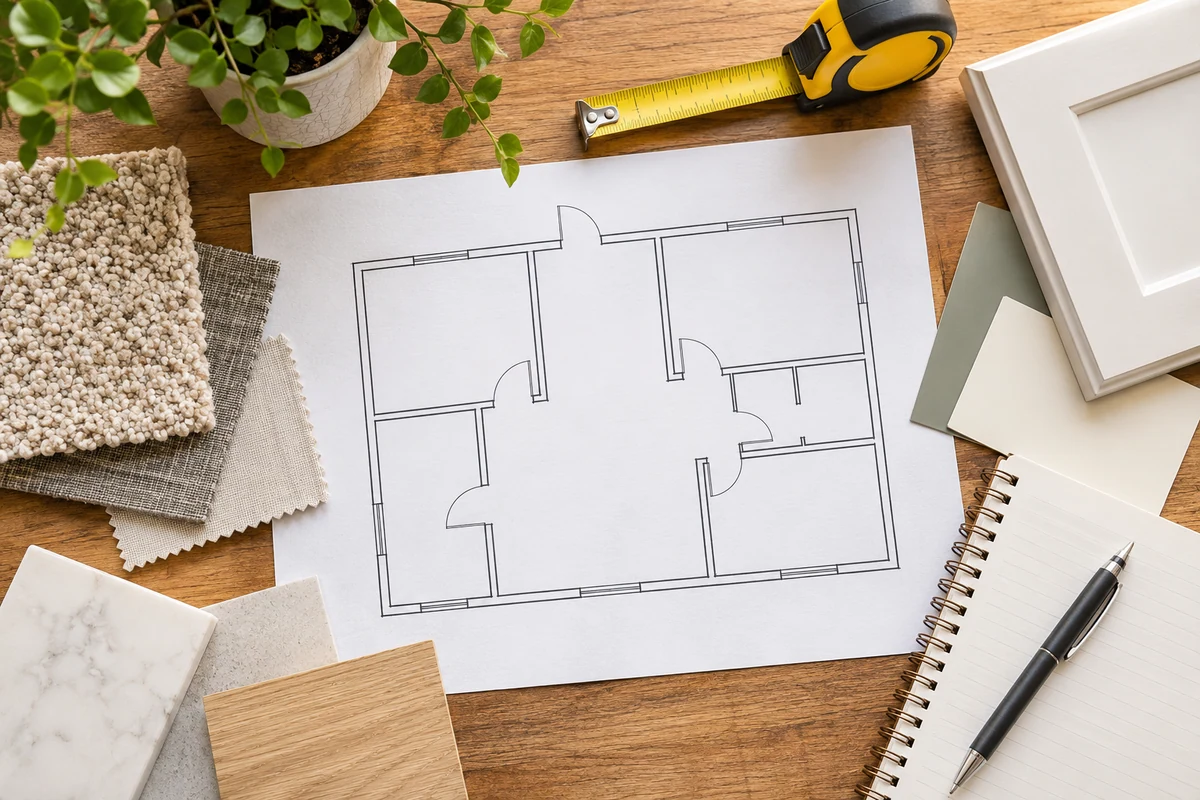
Require a useful change description
Before authorizing non-emergency additional work, request the location, cause or reason, scope, materials, quantity or price basis, excluded tasks, schedule effect, and completion evidence. Identify the drawing or report relied on where relevant. Ask who supervises and coordinates the additional trades and who restores disturbed finishes.
A price described only as fix damage leaves too much unresolved. Clarify whether the charge includes investigation, removal, disposal, repairs, inspections, drying or other checks, and reinstatement. If the extent cannot yet be established, agree on a bounded investigation stage and the next authorization point instead of giving an undefined approval for all findings.
Track price and schedule separately
Record the approved change alongside the original contract total, previous changes, allowances, and payments. Ask whether the new work replaces an allowance, adds to it, or duplicates something already included. Keep arithmetic and unresolved liability questions distinct so the financial position remains understandable.
Request the revised sequence and affected dependencies. An additional assessment or inspection may affect more than the repair duration itself. Discuss deliveries, temporary facilities, protection, and household arrangements. Do not let a general delay explanation become a substitute for identifying the next step, responsible person, and information needed to resume.
Check the work before closure
Ask what evidence is required before the area is covered again. Depending on the condition, that may involve the responsible trade, designer, inspector, or other specialist. The assessment should identify the relevant criteria; there is no universal photograph or homeowner test that proves every concealed repair is complete.
Keep inspection records, product information, photographs, measurements where provided, and the written authorization. Confirm who releases the area for closure and what remains outside the repaired boundary. A later finish walkthrough cannot recreate evidence about work hidden behind a wall, under a floor, or within a roof. Set this requirement before the repair sequence reaches that point.
Example: deteriorated flooring beneath a removed bath
A hypothetical bathroom project exposes a damaged supporting area after the bath is removed. The first decision is safe access and assessment, not whether the owner should immediately accept a complete room upgrade. Ask what is affected, whether the source is active, which professional needs to assess it, and what must happen before the area is covered.
Then review the contract assumptions and request a defined necessary repair. Keep optional fixture or layout changes separate. If the contractor proposes replacing adjacent material, ask whether that is required for a complete repair, needed for access, or an elective improvement. Each explanation leads to a different approval decision.
This example does not assign liability. It shows how a discovery can be managed without confusing assessment, contractual responsibility, necessary correction, and owner choices. Keep the supporting evidence with the change record so later discussions use the same facts.
Handle disagreement without erasing the work record
If the parties disagree about scope or payment, ask each to state the disputed point and the documents relied on. Keep safe stabilization, assessment, and agreed work separate from the disputed item where practical and professionally appropriate. Do not use an informal conversation as a substitute for required notices or local advice about the agreement.
Record any temporary arrangement and its limits. Before signing a document that releases claims, confirms completion, or changes responsibility, understand its effect through appropriate advice. The goal is a usable factual record and a safe project while the contractual question is resolved, not an assumption that a generic online process overrides the actual contract or law.
Use one discovery-and-change record
Create a dated entry with the finding, location, photographs, immediate protection, assessor, contract provision discussed, repair options, approved scope, price basis, schedule change, and pre-closure evidence. Attach correspondence rather than relying on verbal summaries. Mark disputed or unresolved items explicitly and record the next action.
This process helps an owner approve necessary work without accepting every proposed extra on trust. It also helps a contractor explain legitimate additional work with evidence. The objective is a safe, defined repair and a clear record of decisions, not an automatic assumption that all hidden conditions belong to one party. Resolve responsibility through the actual agreement, facts, and appropriate local advice while keeping essential protection and assessment moving.
Related articles
Sources and further reading
These public resources explain relevant safety, consumer, or building considerations. They do not endorse this site or approve a particular project.
- FTC: avoiding home improvement scams
- EPA: indoor-air considerations during residential remodeling
- EPA: qualifications of mold assessors and remediators
Revised November 24, 2026. Published by ContractorsFinder. Editorial standards and corrections.